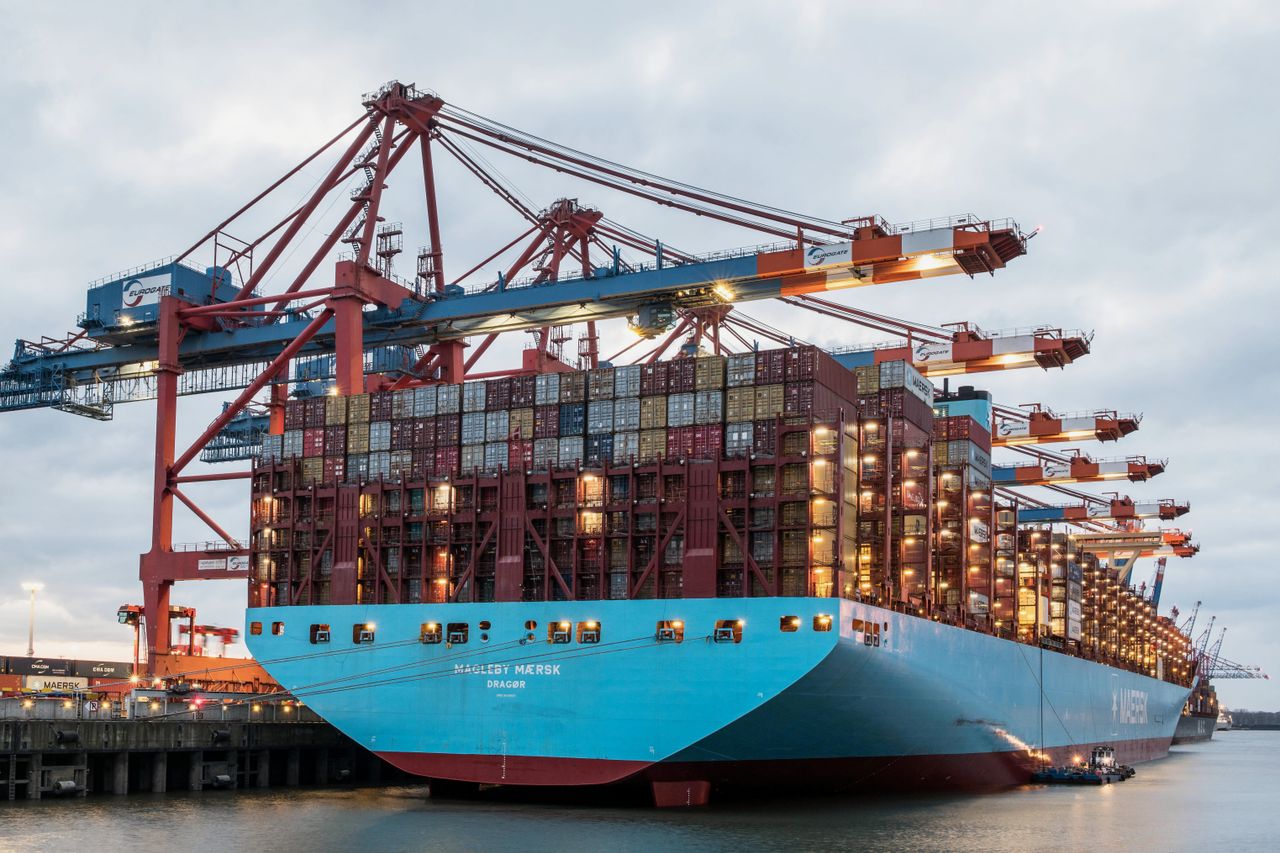
Plenty of everyday products count as dangerous goods (DG) or special cargo in transport: a power bank, a bottle of perfume, a tub of protein powder, a can of spray paint, a speaker with a large magnet. Shipped without the right paperwork, they are rejected at the airport, held at the port or fined. Shipped properly, they move like any other cargo.
What we ship
- Lithium batteries: batteries on their own, packed with equipment or built into devices (UN3480, UN3481, UN3090, UN3091), plus power banks, e-bikes, scooters and energy storage
- Powders: supplements, protein, food ingredients, pigments and industrial powders, with non-hazardous certification where needed
- Liquids and cosmetics: perfumes, nail polish, essential oils, hair and skin care, inks and e-liquids
- Aerosols and gases: sprays, paints, cleaning products and refrigerant-related goods
- Magnetic goods: speakers, motors and magnets that need a magnetic field test for air
- Chemicals: flammable, corrosive and miscellaneous classes (such as Class 3, 8 and 9) by sea, and by air where the carrier accepts them
- Other special cargo: oversized and heavy machinery, high-value goods and temperature-sensitive products
The paperwork we prepare with you
- Safety Data Sheet (SDS/MSDS) from the manufacturer, in English and current
- UN38.3 test summary for lithium batteries, and the battery Watt-hour or lithium content
- Cargo transport condition report (the identification certificate Chinese airports require for chemicals, powders, liquids, batteries and magnetic goods)
- Dangerous Goods Declaration and correct UN-specification packing, marks and labels
- Non-hazardous or magnetic test certificates where they let cargo travel as general freight
Sea or air?
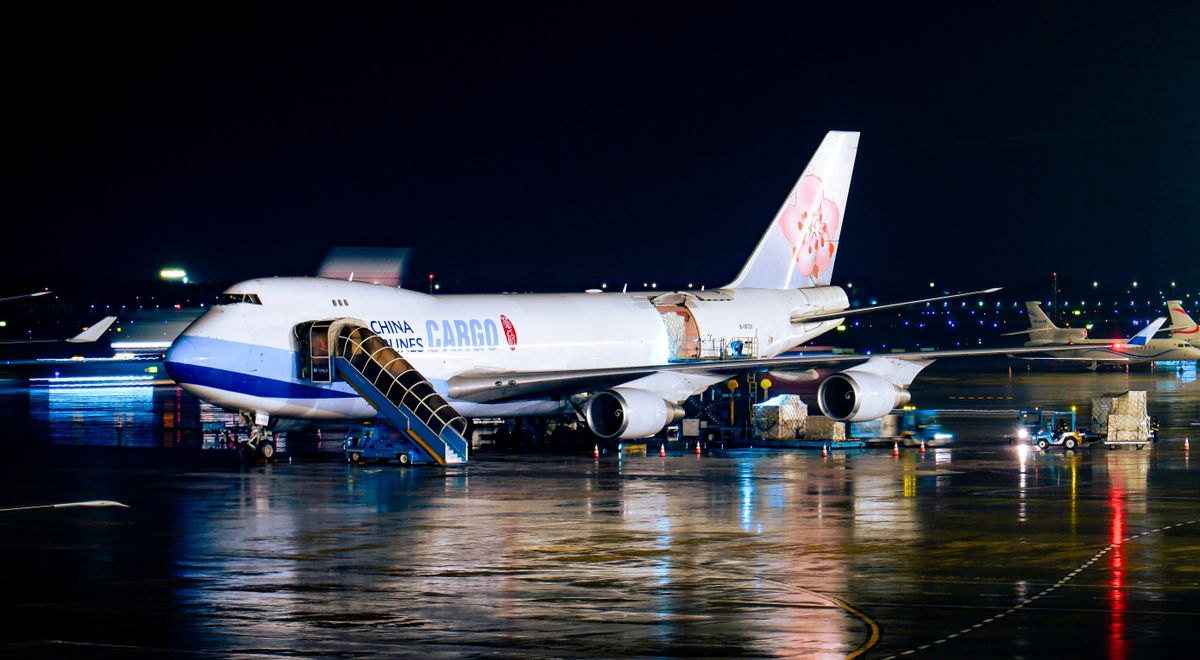
Sea freight accepts the widest range of dangerous goods and is usually the cheapest route for batteries, chemicals and aerosols in volume. Air is faster but stricter: some classes and battery types are allowed only on cargo aircraft, in limited quantities or not at all, and express couriers are the most restrictive. Send us the SDS and we will tell you which modes your product can use and what each one costs.
Every DG shipment is accepted case by case, depending on the UN number, packing group, quantity and carrier approval. We do not ship explosives (Class 1), radioactive material (Class 7), infectious substances, or any goods that are banned or need a licence the importer does not hold.
Questions we get about dangerous goods and special cargo shipping
Can you ship lithium batteries from China?
Yes. Batteries packed with or inside equipment are the easiest to ship by both sea and air. Standalone batteries usually go by sea or on cargo aircraft. We need the SDS and UN38.3 test summary to book.
Can powders and liquids go by air?
Usually, yes, once the cargo transport condition report shows how they can be carried. Many powders and cosmetics travel as general cargo with the right certificate.
What do I need to send for a quote?
The product name, SDS, quantity, carton size and weight, and destination. For batteries, add the UN38.3 summary and Watt-hour rating.
Can you ship DG cargo DDP?
In many cases, yes. Duties and clearance are handled as with other DDP shipments, as long as the goods are allowed into the destination country.